
Entitle & Sell
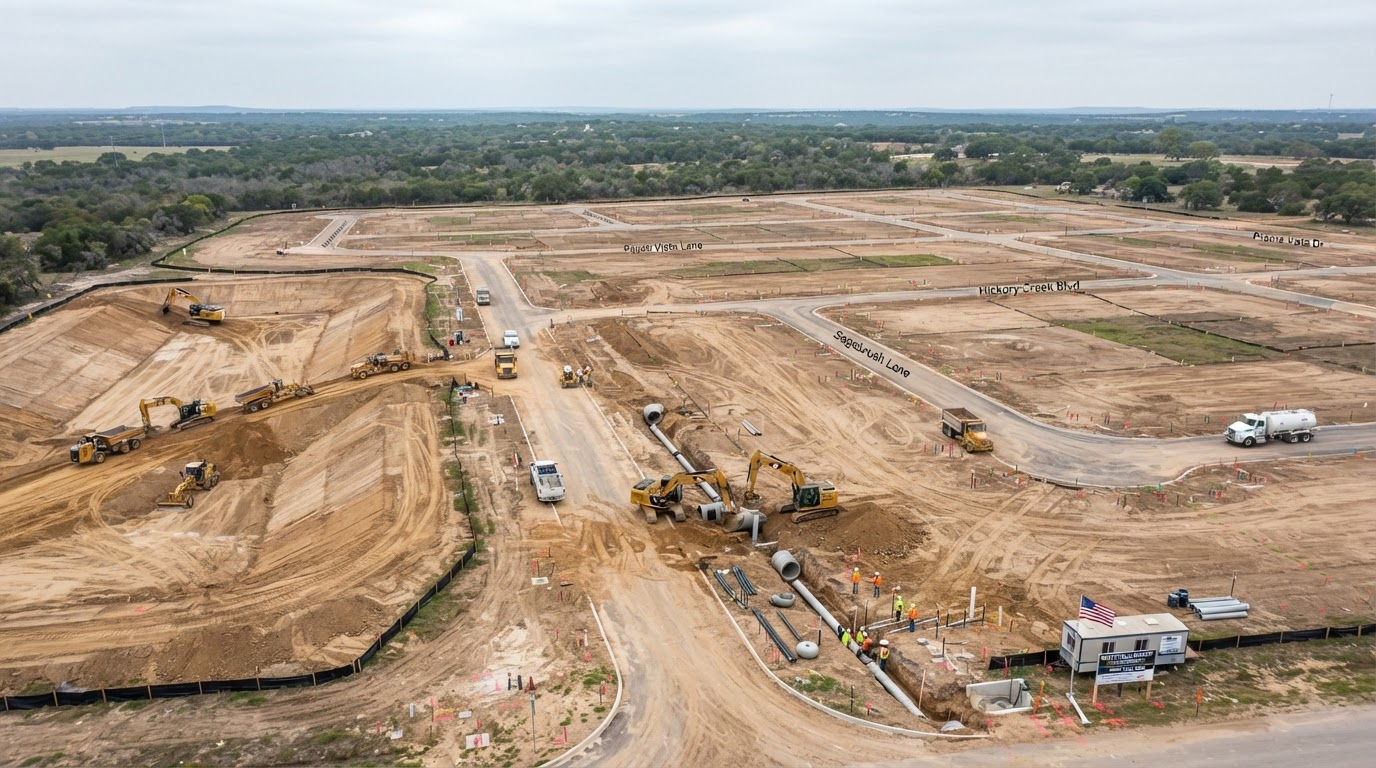
Acquire land, complete appropriate planning or approval work, and sell the property when the market supports an attractive exit.
Considerations
- Approval requirements
- Entitlement costs
- Timing
- Buyer demand
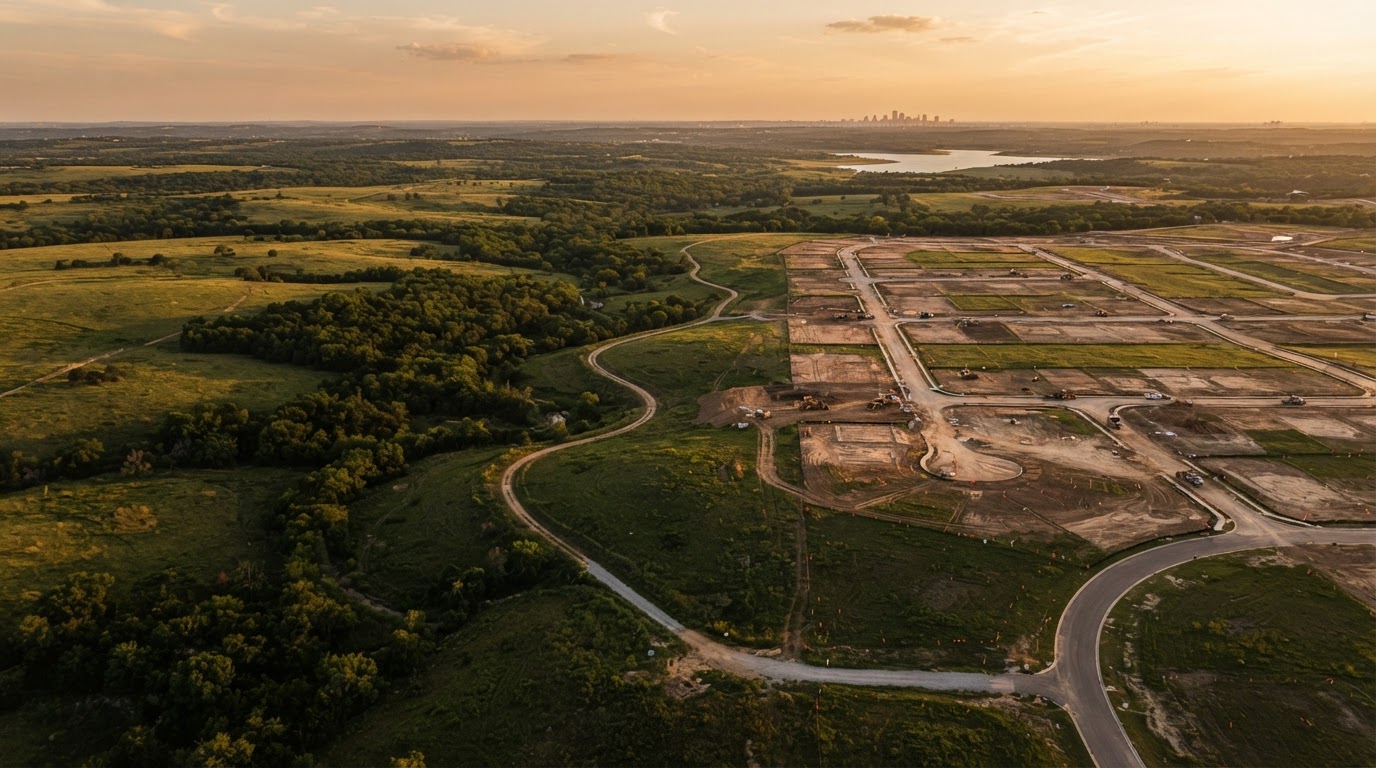
A Disciplined Approach to Real Estate Investment and Development.
Every real estate opportunity is different. At Gorilla Capital Partners, we evaluate potential investments based on acquisition fundamentals, market conditions, development feasibility, capital requirements, and available exit strategies.
Our approach is designed to help us identify opportunities, understand their risks, and determine the most appropriate path forward.
We believe a sound real estate investment begins with understanding what a property is worth today, what it may cost to improve or develop, and what the market will realistically support.
Before moving forward, we evaluate acquisition pricing, property characteristics, potential development requirements, financing considerations, and exit alternatives.
Our goal is to make informed investment decisions based on realistic assumptions rather than relying on speculative appreciation.
A favorable acquisition price is the starting point. Development feasibility and exit economics determine whether an opportunity warrants investment.
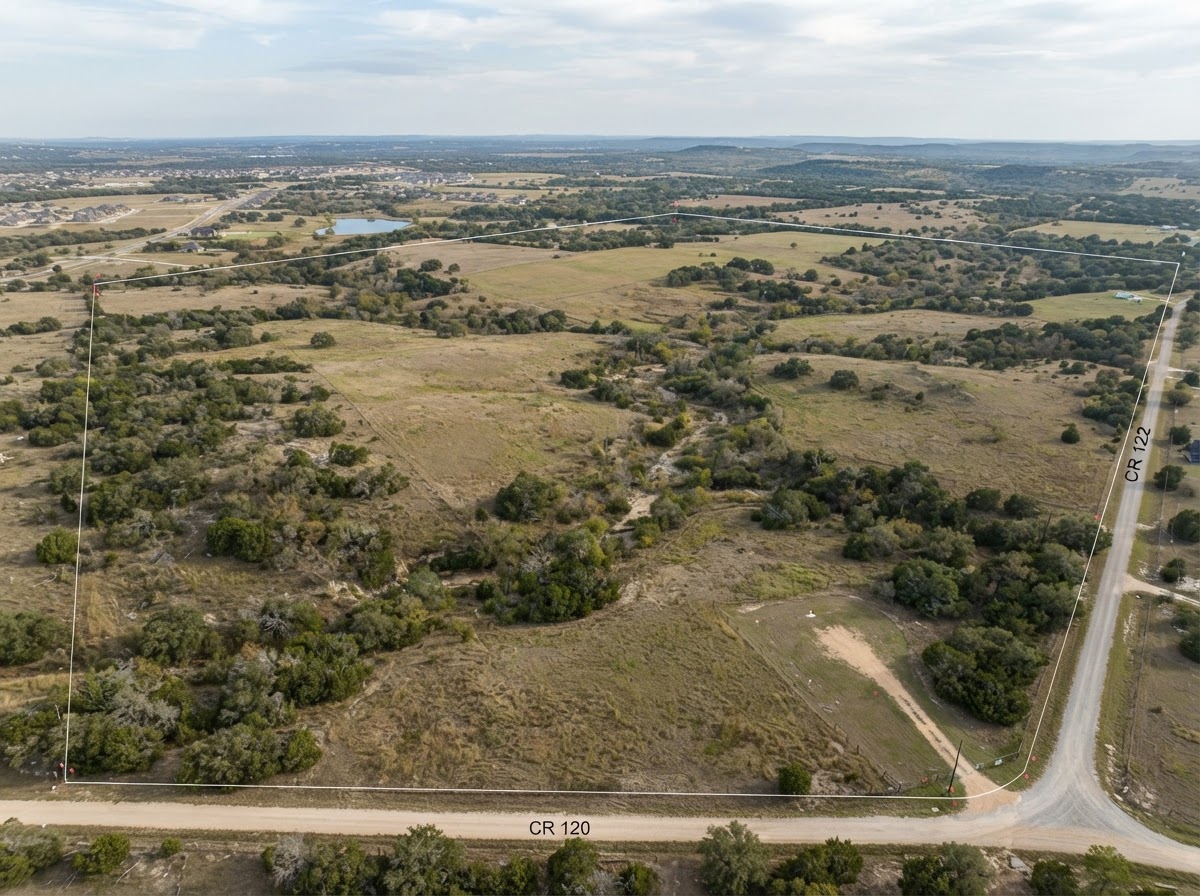
Although every project has its own requirements, the following stages illustrate how we generally approach real estate investment and development opportunities.
Stage 01Source through knowledge and relationships.
We source and evaluate potential real estate opportunities through market knowledge, professional relationships, and direct acquisition efforts. Our initial review considers location, pricing, market demand, property characteristics, and potential investment strategies.
 Stage 02
Understand the financial, physical, and regulatory picture.
Before making an investment decision, we evaluate the property's financial, physical, and regulatory considerations. Depending on the opportunity, this may include title, access, utilities, zoning, subdivision requirements, infrastructure, comparable sales, financing, and development costs.
Stage 03Define structure, capital, timeline, and exit.
Once an opportunity has been evaluated, we consider the investment structure, development requirements, capital needs, potential timeline, and possible exit strategies. For land opportunities, this may include engineering, entitlement, subdivision planning, or utility coordination.
 Stage 04
Match development to the economics at hand.
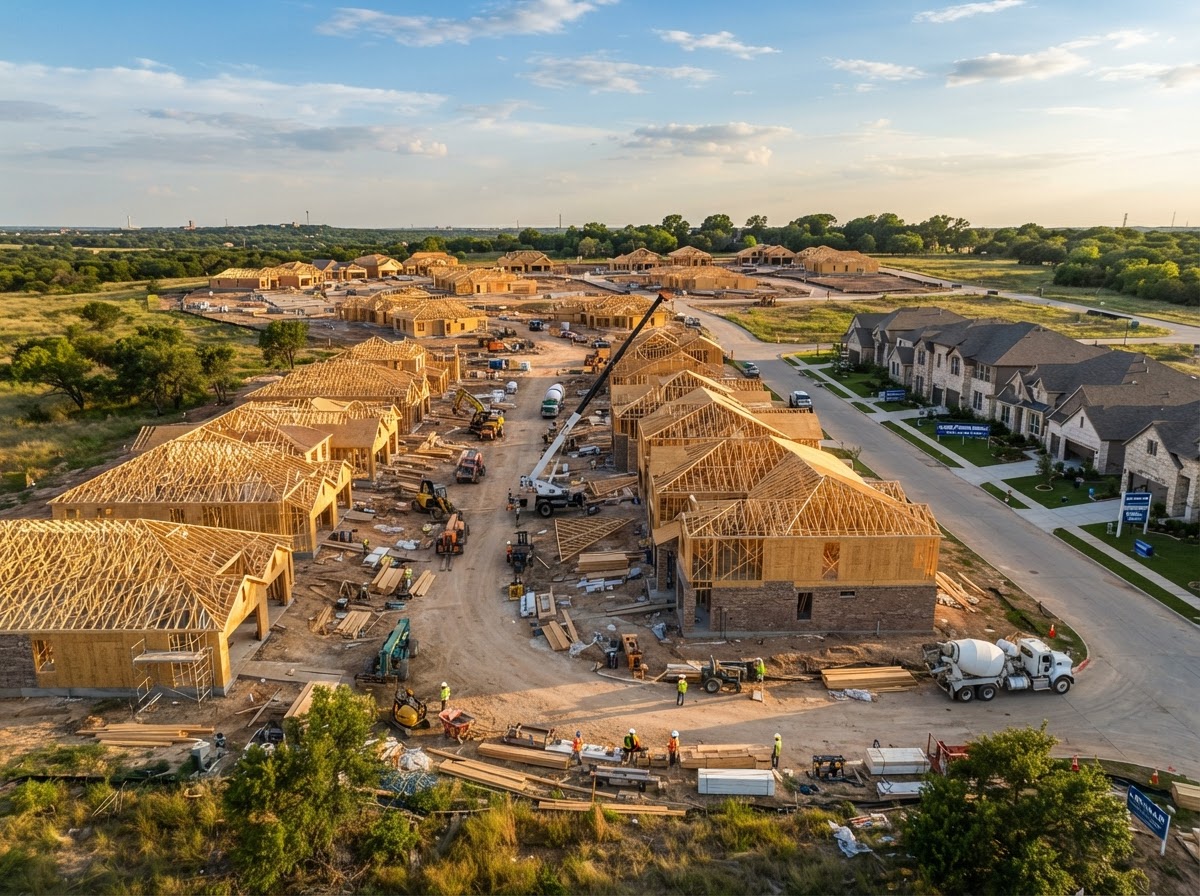
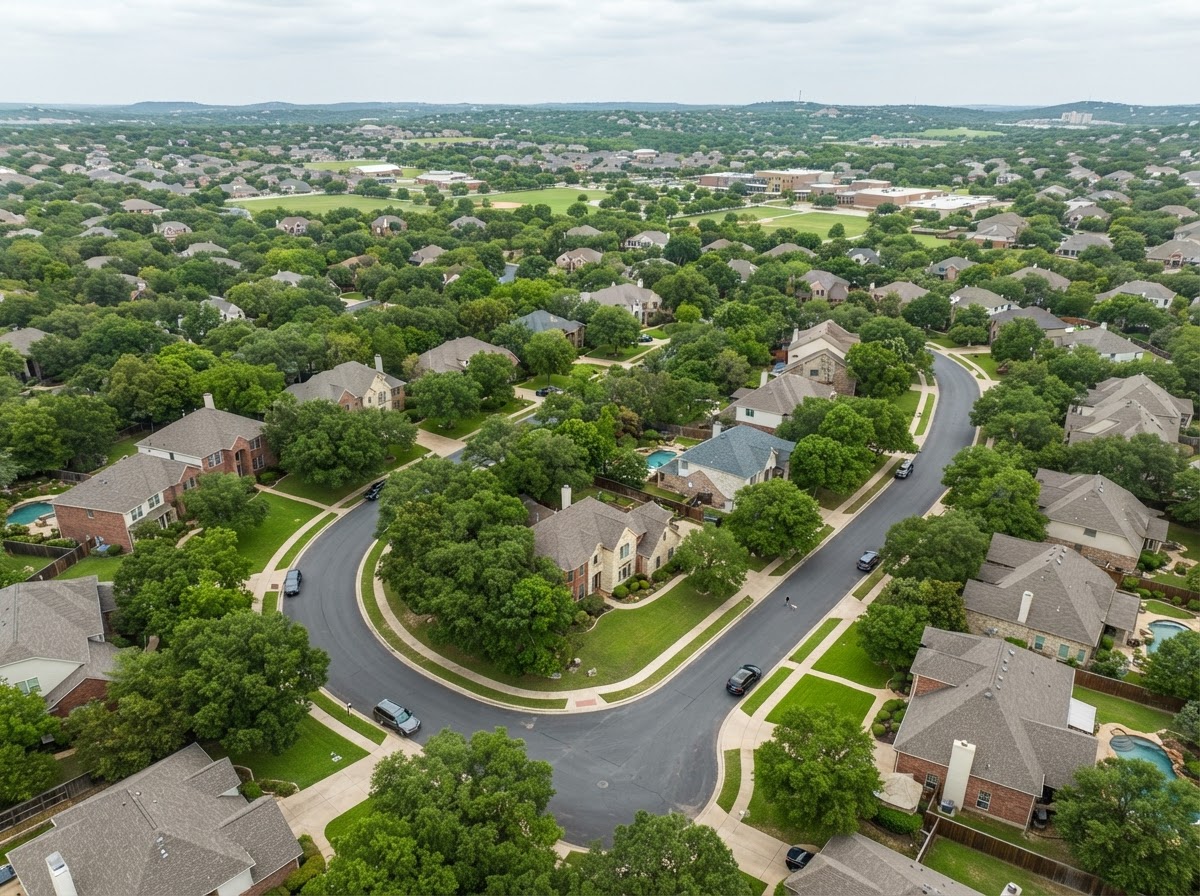
Depending on the approved investment strategy, execution may involve acquiring and holding property, completing entitlement work, developing infrastructure, improving existing real estate, or selectively constructing homes. The appropriate level of development depends on the property's economics, market conditions, and available resources.
 Stage 05
Choose the exit the market supports.
We evaluate opportunities to realize value through property sales, development exits, or other project-specific strategies. The timing and method of exit depend on market conditions, investment objectives, financing requirements, and the economics of the individual project.
This lifecycle is illustrative. Not every investment involves entitlement, infrastructure development, construction, or every stage shown.
A property may offer several possible strategies. We compare those alternatives based on the additional capital, time, execution requirements, and risks involved.
Acquire land, complete appropriate planning or approval work, and sell the property when the market supports an attractive exit.
Considerations
Complete approved infrastructure and subdivision improvements to create finished lots for sale to builders or other purchasers.
Considerations
Evaluate construction of individual homes or selected phases when market demand and project-specific underwriting support the additional investment.
Considerations
"Not every property should be developed to its maximum potential. The appropriate strategy is the one supported by the economics and risks of the opportunity."
Consider a hypothetical parcel of land located near a growing residential market. The property may have potential for future development, but the best investment strategy is not yet clear.
We begin by evaluating the acquisition price, current market value, property access, utilities, jurisdictional requirements, surrounding development, and market demand.
Next, we evaluate potential uses, estimated improvement costs, approval requirements, financing needs, and likely buyers.
Based on the information available, several outcomes may be considered.
Path A — Sell the Property
An earlier sale may be appropriate if the market supports an attractive exit without further investment.
Path B — Complete Entitlements
Planning and approvals may improve the property's development potential or marketability.
Path C — Develop Finished Lots
Infrastructure investment may be justified if projected lot values support the additional cost and execution risk.
Path D — Consider Home Construction
Selective homebuilding may be considered if the incremental economics justify additional construction exposure.
"The decision is not simply how much development a property can support. It is how much additional investment is justified by the potential benefit and associated risk."
This example is conceptual and does not represent an actual project, investment offering, or forecast of financial performance.
Potential investment returns are only one part of our decision-making process. We also consider the amount of capital required, the time involved, the complexity of execution, and the potential consequences if assumptions change.
Purchase price, current market value, transaction costs, and the property's existing condition.
Development requirements, infrastructure costs, construction budgets, approvals, and realistic schedules.
Equity requirements, financing alternatives, contingencies, reserves, and downside exposure.
Buyer demand, market pricing, timing, liquidity, and alternative disposition strategies.
Our goal is to evaluate each opportunity on its own merits and make informed decisions about where and how to commit capital.
Real estate investing involves uncertainty. Property values, development approvals, infrastructure costs, financing conditions, construction schedules, and market demand can change over the life of a project. We seek to understand these factors early, evaluate reasonable downside scenarios, and reassess the investment as new information becomes available.
When circumstances change, we compare the costs and potential benefits of continuing, modifying, delaying, or exiting a project.
Understand material costs, constraints, and risks before making an investment decision.
Update budgets, timelines, valuations, and assumptions as projects progress.
Consider alternative paths when additional development no longer offers an appropriate risk-adjusted outcome.
No diligence process can eliminate investment risk or guarantee profitable outcomes.
Information on this page is provided for educational purposes only and does not constitute an offer to sell or solicitation to purchase securities. All investment objectives and illustrative scenarios are hypothetical and are not guaranteed. Real estate investments involve substantial risk, including the potential loss of principal. Actual project and investor returns may differ materially from underwriting objectives. Any securities offering, if made, will be conducted through appropriate offering documents and in compliance with applicable law.

We welcome conversations with prospective investors, landowners, developers, and strategic partners who are interested in thoughtful real estate investment and development.